


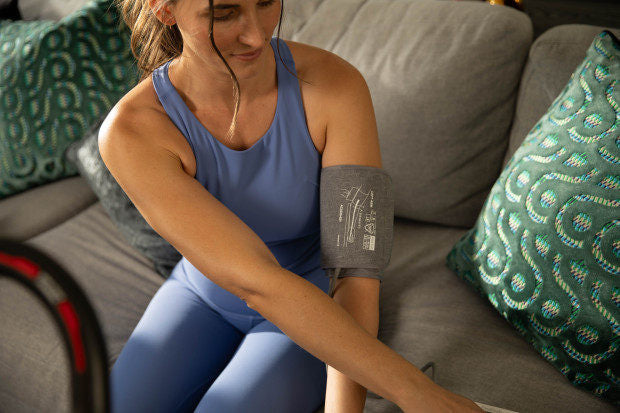
High blood pressure can be easy to miss during pregnancy. You may feel well even when your blood pressure is high enough to increase the risk of complications for you and your baby. Regular checks help your care team spot changes that symptoms alone may not reveal.
Know when to get help
- A top number of 160 mm Hg or higher OR a bottom number of 110 mm Hg or higher during pregnancy or around delivery: contact your maternity care team immediately, even if you feel well. Do not wait until your next appointment.
- Severe headache, vision changes, abdominal pain, chest pain, significant swelling, or shortness of breath: the American Heart Association advises calling 911. Do not delay emergency care to take another reading.
- A top number of 140 or higher OR a bottom number of 90 or higher: these are high blood pressure thresholds in pregnancy. Follow your care team's instructions for reporting and repeating readings; a home result alone does not establish a diagnosis.
These pregnancy thresholds differ from general adult blood pressure categories. Source: American Heart Association — Blood Pressure and Pregnancy.
Why blood pressure is checked throughout pregnancy
Blood pressure is one of the routine measurements used to watch for hypertensive disorders of pregnancy. These conditions are related, but they are not the same:
- Chronic hypertension is high blood pressure present before pregnancy or diagnosed early in pregnancy.
- Gestational hypertension develops after 20 weeks in someone whose blood pressure was previously normal.
- Preeclampsia usually develops after 20 weeks and involves high blood pressure with other clinical findings, such as protein in the urine or signs of organ involvement. It can also develop after birth.
The American College of Obstetricians and Gynecologists (ACOG) recommends checking blood pressure at every prenatal visit. Some people may also need checks at home, depending on their medical history and care plan.
Why early recognition matters
Hypertensive disorders can have serious consequences for both the pregnant person and the baby. ACOG describes risks including stroke, kidney problems, seizures from eclampsia, HELLP syndrome, placental abruption, impaired fetal growth, and preterm delivery.
How to take a home reading
Whether you need home monitoring depends on your medical history and care plan. Ask your obstetrician or midwife whether to monitor at home, which arm to use, how often to measure, and when to report a reading.
Follow your device instructions. The American Heart Association's home measurement guidance includes these steps:
Your home measurement checklist
-
Before you start
Avoid caffeine, smoking, and exercise for 30 minutes. Empty your bladder. -
Rest for five minutes
Sit quietly with your back supported, feet flat, and legs uncrossed. -
Check your cuff
Use the correct size and place it on bare upper-arm skin. -
Support your arm
Keep the middle of the cuff at heart level. -
Stay still and quiet
Do not talk or use your phone during the reading. -
Write it down
Record the result and any symptoms.
The AHA commonly recommends two readings one minute apart for home monitoring. During pregnancy, follow your own care team's schedule and repeat-reading instructions.
For an unexpected reading that is not in the severe range and is not accompanied by warning symptoms, follow your care plan for checking cuff placement and repeating the measurement. Do not use rechecking as a reason to delay urgent care. Do not change medication based on a home reading unless your prescribing clinician instructs you to do so.
Keeping and sharing a home record
A dated record helps your care team see changes between visits. Use a notebook, device memory, or a compatible app such as the FondCircle App to keep readings together, and agree on how to share them.
The World Health Organization's pregnancy self-monitoring toolkit focuses on supporting women with hypertensive disorders. It describes home monitoring as a complement to antenatal or community-based care, with follow-up when needed.
Record the date, time, blood pressure, pulse, and any symptoms. Note anything that may have affected the reading, such as recent activity or a cuff-placement problem.
Blood pressure still matters after birth
Postpartum preeclampsia can occur even in someone who did not have preeclampsia during pregnancy. The CDC reports that it occurs most often within 48 hours of delivery, but can develop up to six weeks afterward.
Before you go home, ask whether you need blood pressure checks, when your next appointment should be, and who to contact outside office hours. Do not assume that a new symptom is harmless because the baby has already been born.
Choose a monitor with evidence for pregnancy
A monitor validated in general adults may not have been evaluated in pregnancy. When comparing home blood pressure monitors, look for evidence tied to the exact model, population, and cuff you will use. NHS England's maternity monitoring recommendations emphasize pregnancy validation and correct cuff size.
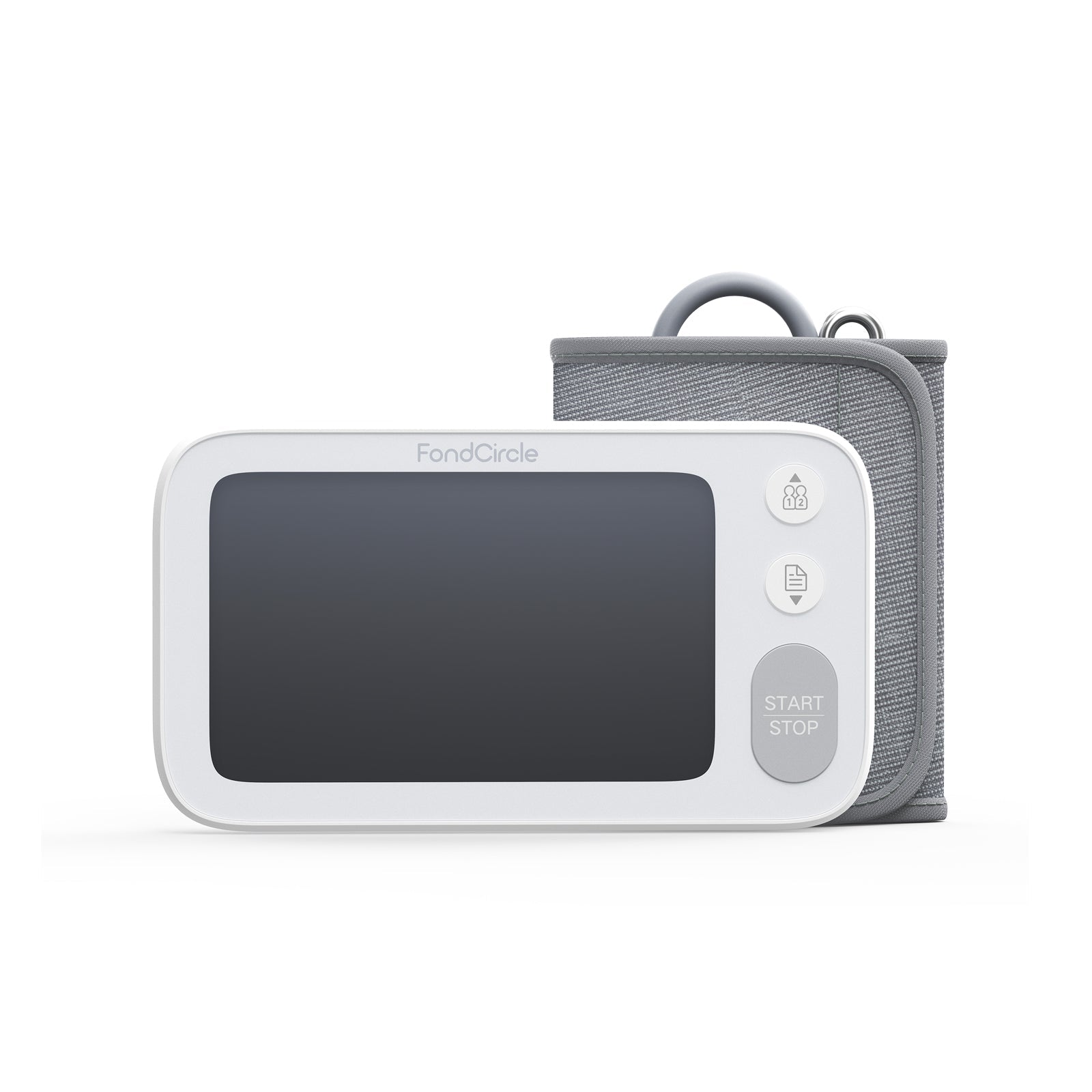
The FBP-A2 below illustrates these checks. FondCircle publishes this guide and sells the monitor.
FondCircle FBP-A2
An upper-arm monitor with pregnancy validation evidence
FondCircle's FBP-A2 validation summary describes an accuracy study involving 91 pregnant participants, including those with normal blood pressure, hypertension, and preeclampsia. The study reports that the tested monitor met ISO 81060-2:2018/Amd.1:2020 clinical accuracy criteria in the combined pregnancy cohort.
How the FBP-A2 relates to these checks
Pregnancy evidence
Check the study population, validation standard, and results in the linked pregnancy validation summary.
Monitor type
The FBP-A2 is an automatic upper-arm monitor, the type the American Heart Association recommends for most home users.
Cuff fit
The supplied cuff fits upper arms measuring 22–45 cm (8.7–17.7 in). Measure your upper arm and confirm the fit before choosing it.
Keeping a record
Memory stores 250 readings for each of two users, plus a guest mode. Optional FondCircle App syncing helps organize readings; you can also keep a written log.
Everyday use
A 5.7-inch display and optional voice readout help you review results. Bring the monitor to an appointment so your care team can check cuff fit, technique, and comparison with the clinic's equipment.
The FBP-A2 measures blood pressure; a reading alone cannot diagnose preeclampsia. Diagnosis requires a healthcare professional's assessment and may include urine or blood tests.
References
- CDC: High Blood Pressure During Pregnancy
- ACOG: Preeclampsia and High Blood Pressure During Pregnancy
- American Heart Association: Blood Pressure and Pregnancy
- WHO: Digital adaptation kit for self-monitoring of blood pressure during pregnancy: operational requirements for implementing WHO recommendations in digital systems
- NHS England: Recommendations for digital blood pressure monitoring in maternity services
- American Heart Association: Home Blood Pressure Monitoring
- FondCircle: FBP-A2 Clinical Validation and Device Information
- ValidateBP: FBP-A2 BP Monitor
- AccessGUDID: FondCircle FBP-A2 device identification
This article is for general education. It does not replace medical care or an individual blood pressure action plan.

Share: