FDA-Cleared Devices
Eligible FondCircle monitors are FDA 510(k) cleared for home use.
FSA/HSA Eligible
Use eligible FSA or HSA funds for qualifying products.
Free Shipping $60+
Free Economy shipping on eligible U.S. orders over $60.
12-Month Warranty
Eligible FondCircle devices include a 12-month limited warranty.
FondCircle buying guide
Compare Blood Pressure Monitors
Review cuff fit, memory, display, power and everyday features across all five models.
| Model Swipe to compare |
FBP-A3
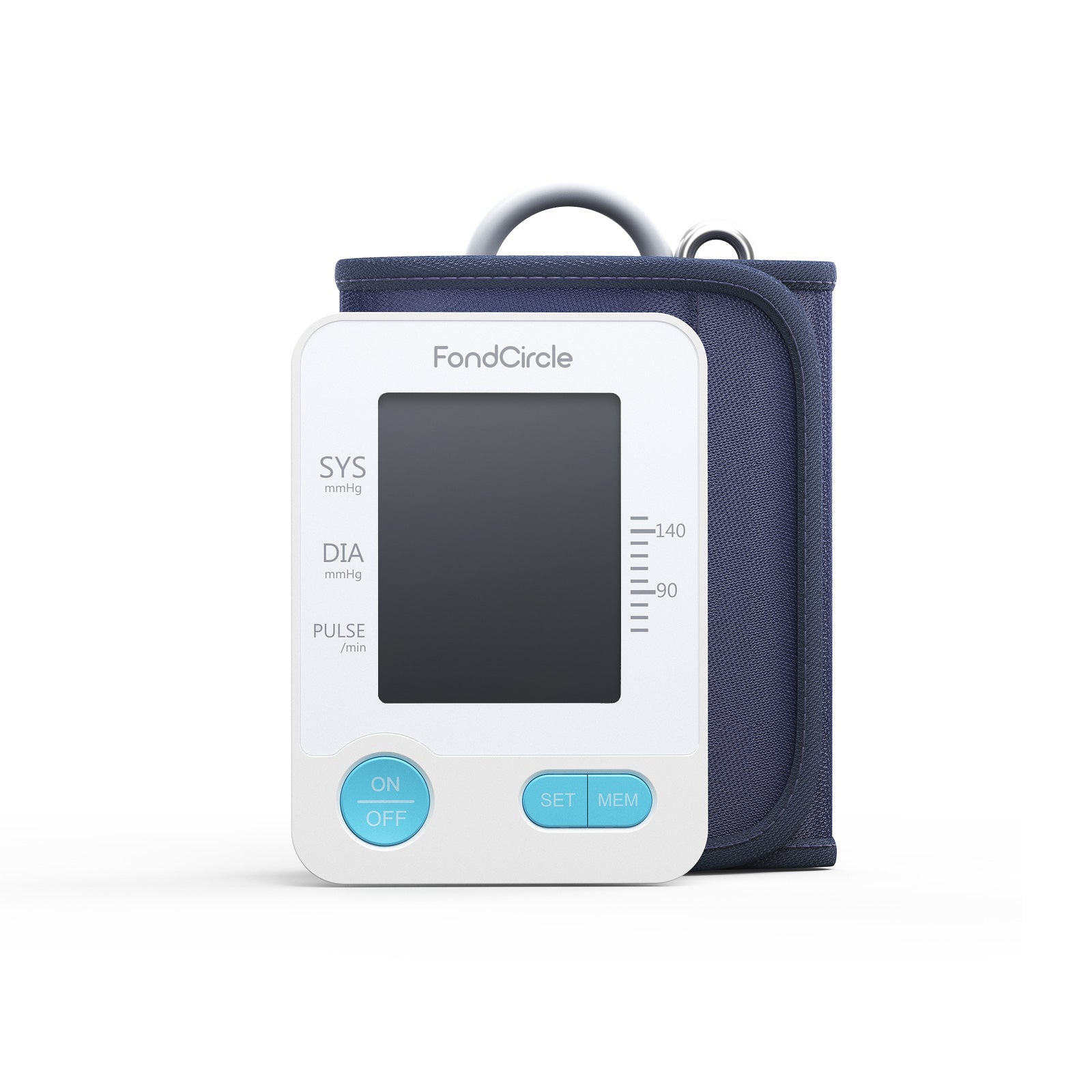
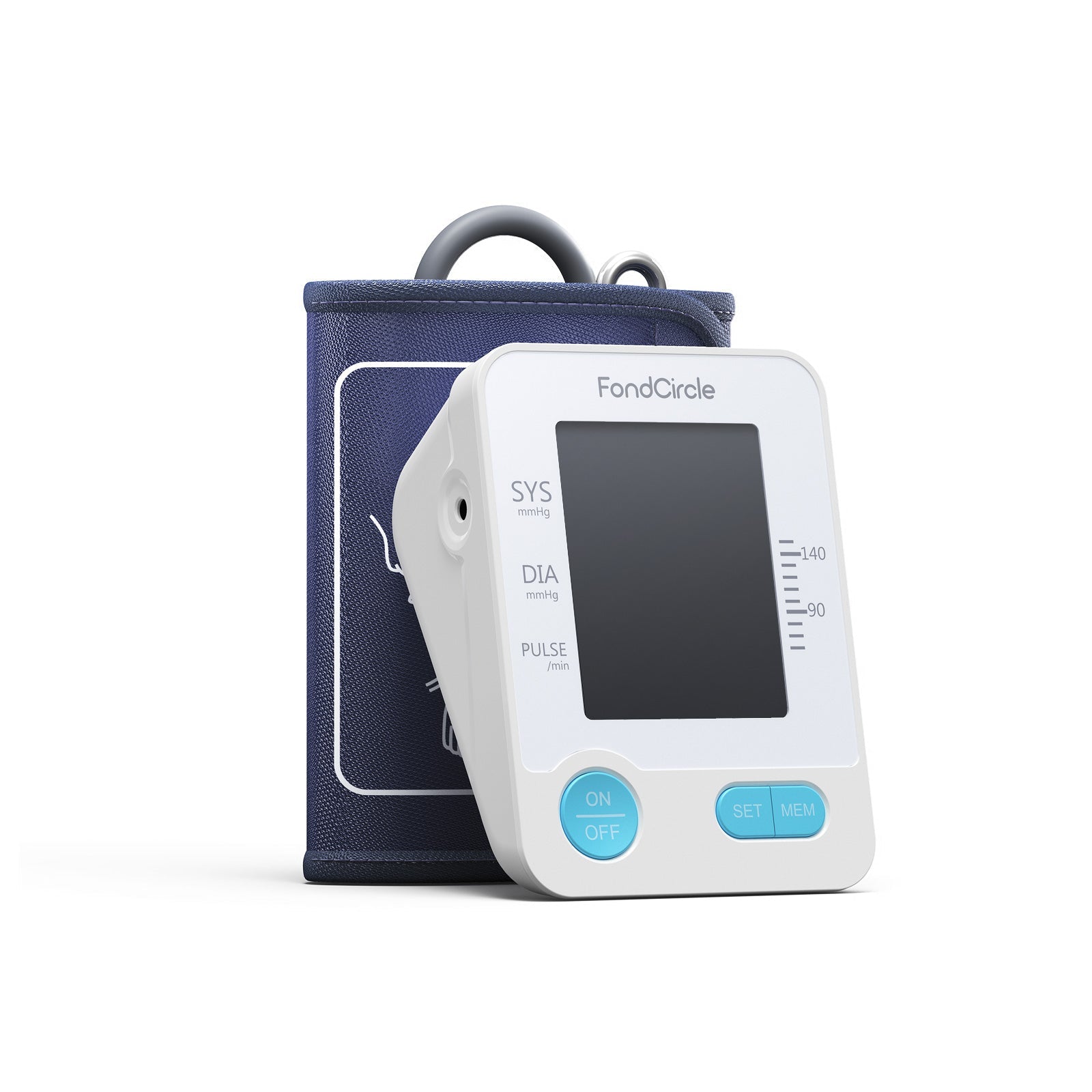
FBP-A3 BP Monitor
$49.99
Add to cart
|
FBP-A3XL
FBP-A3 BP Monitor (Large Cuff)
$54.99
Add to cart
|
FBP-A2
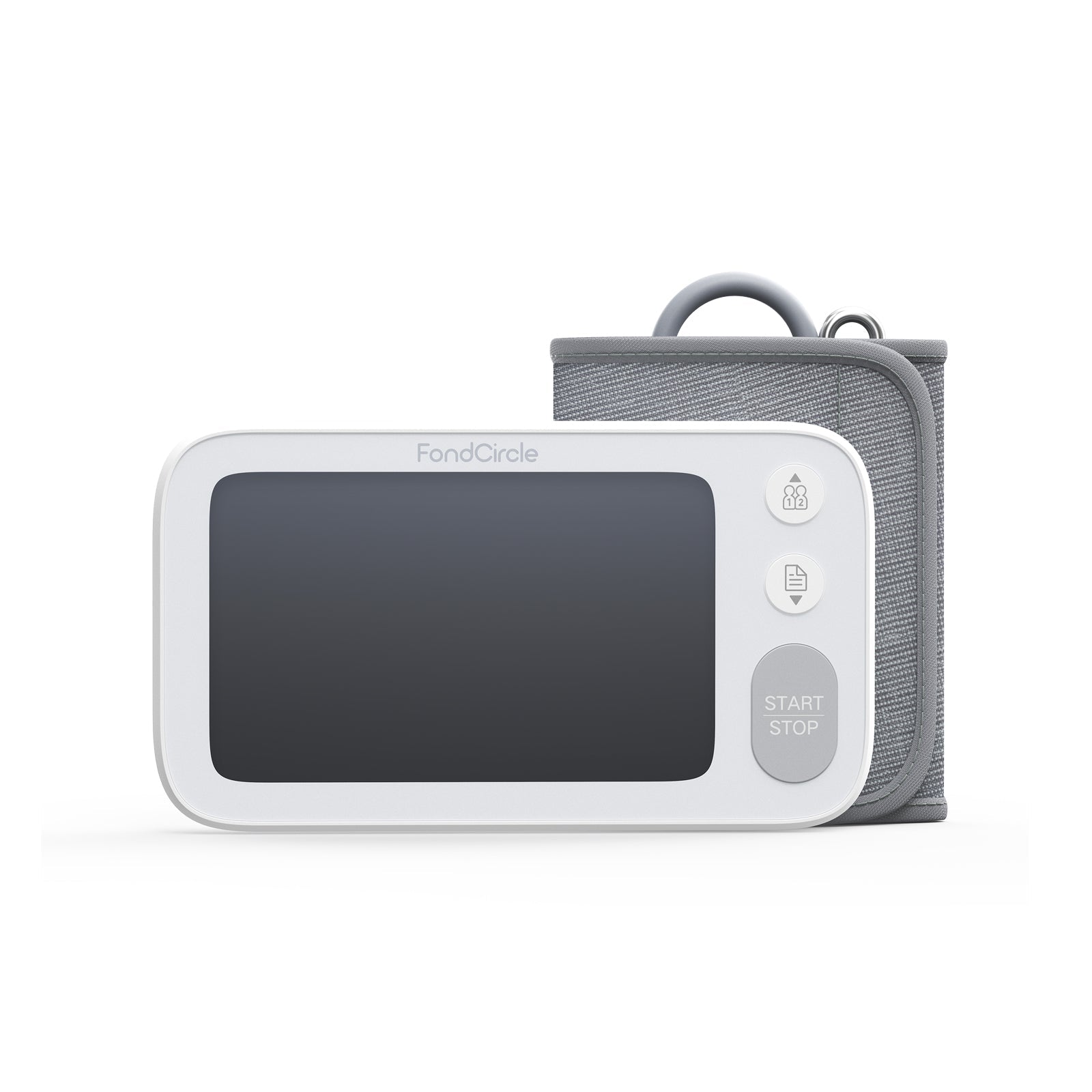
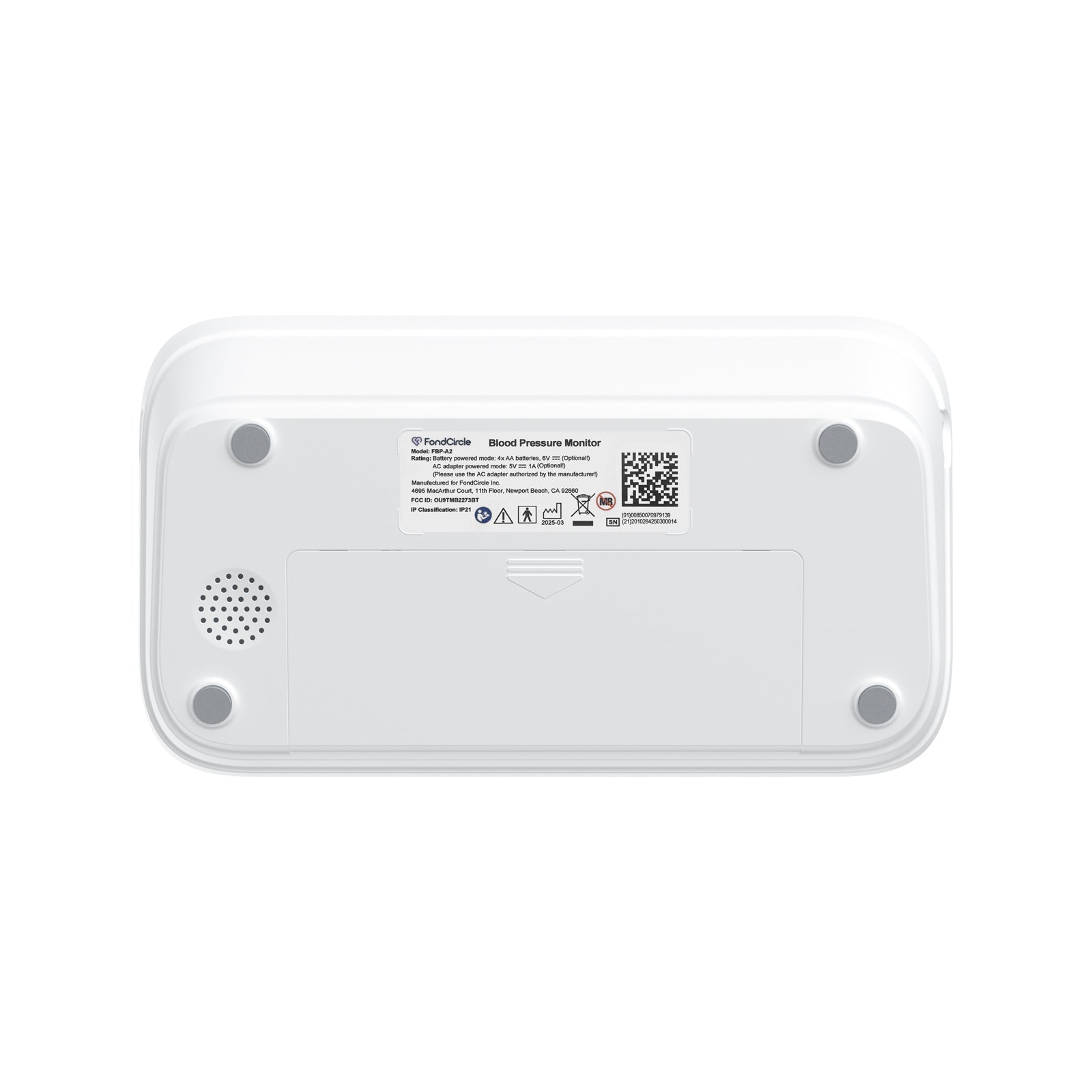
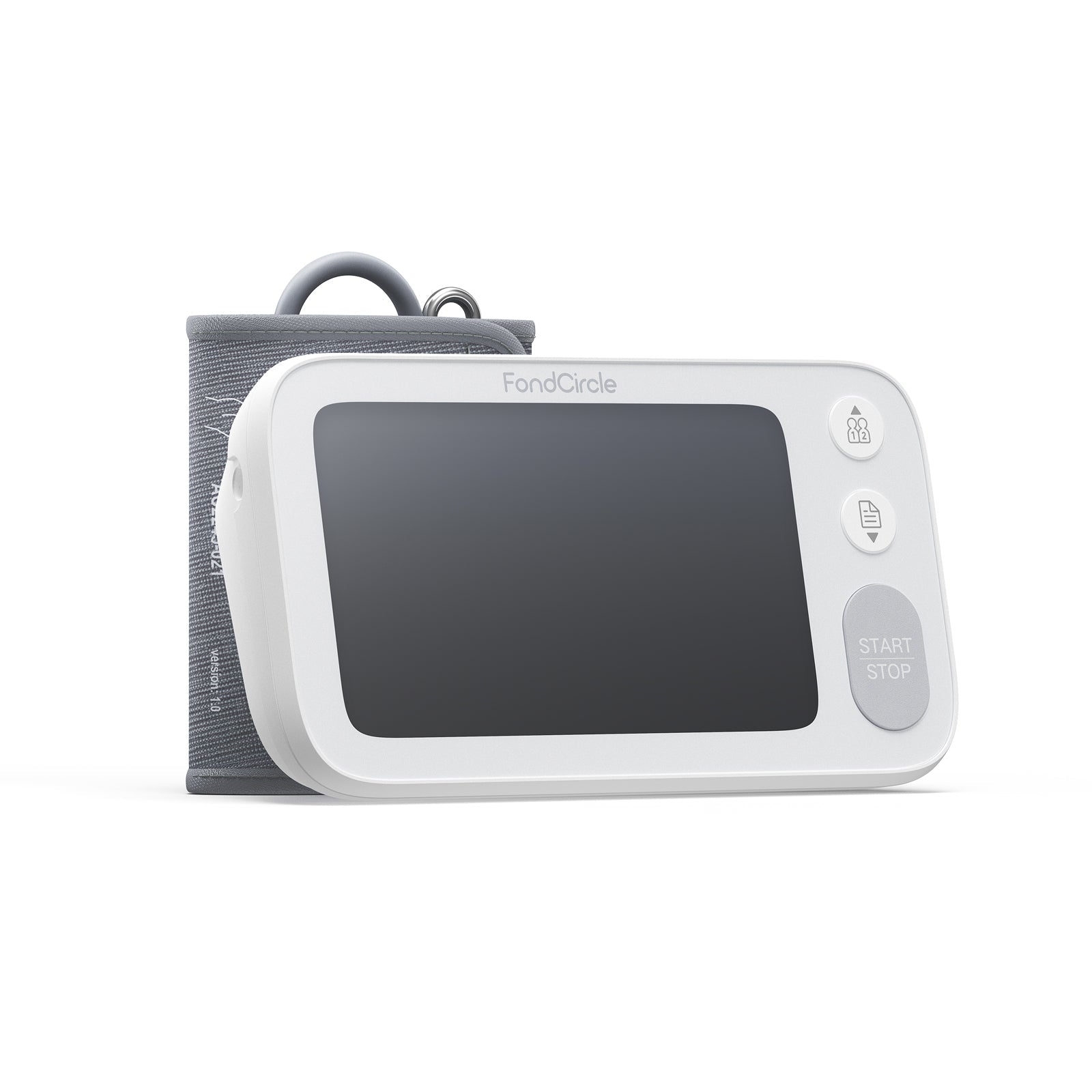
FBP-A2 BP Monitor
$64.99
Add to cart
|
FBP-A1
FBP-A1 BP Monitor
$27.99
Add to cart
|
FBP-W1
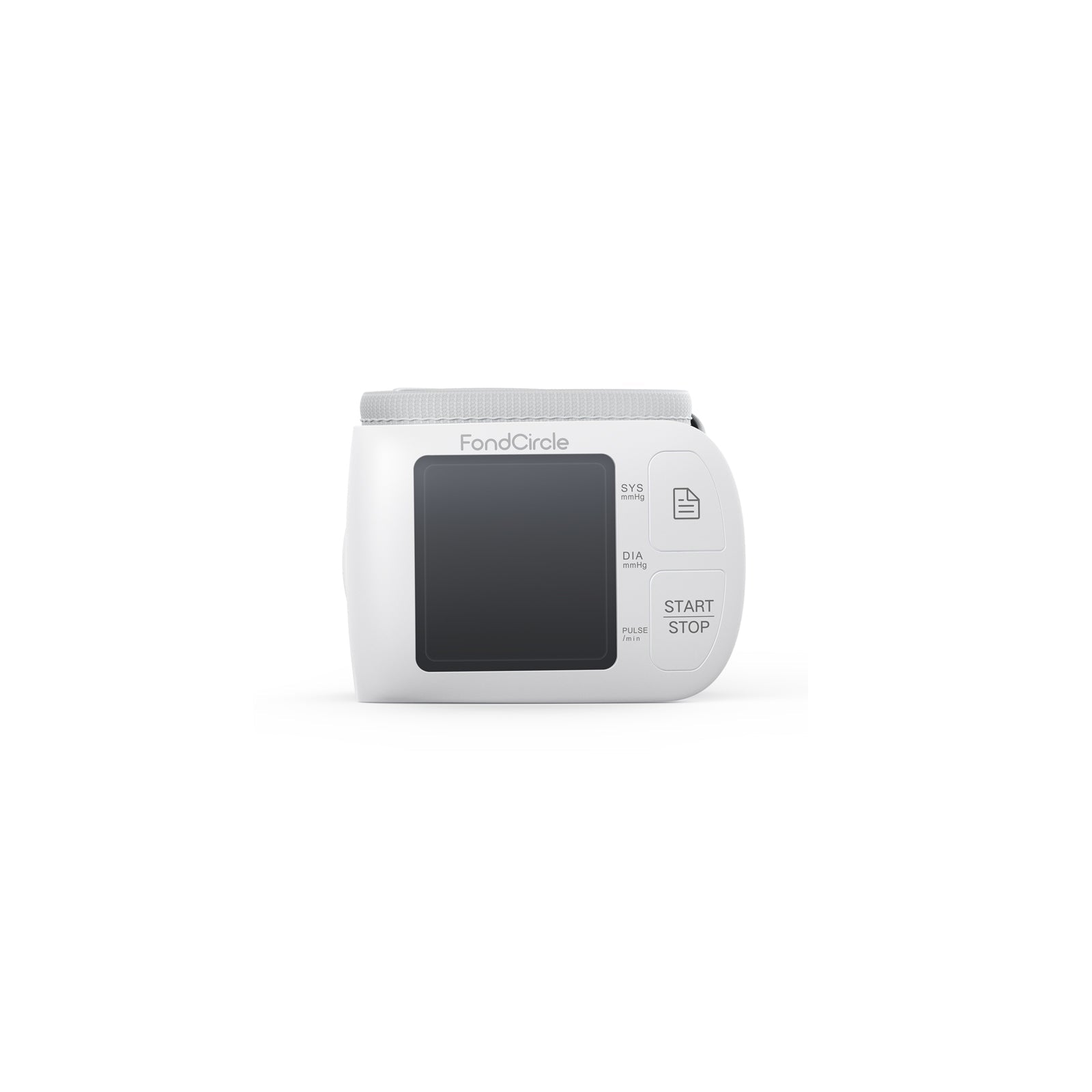
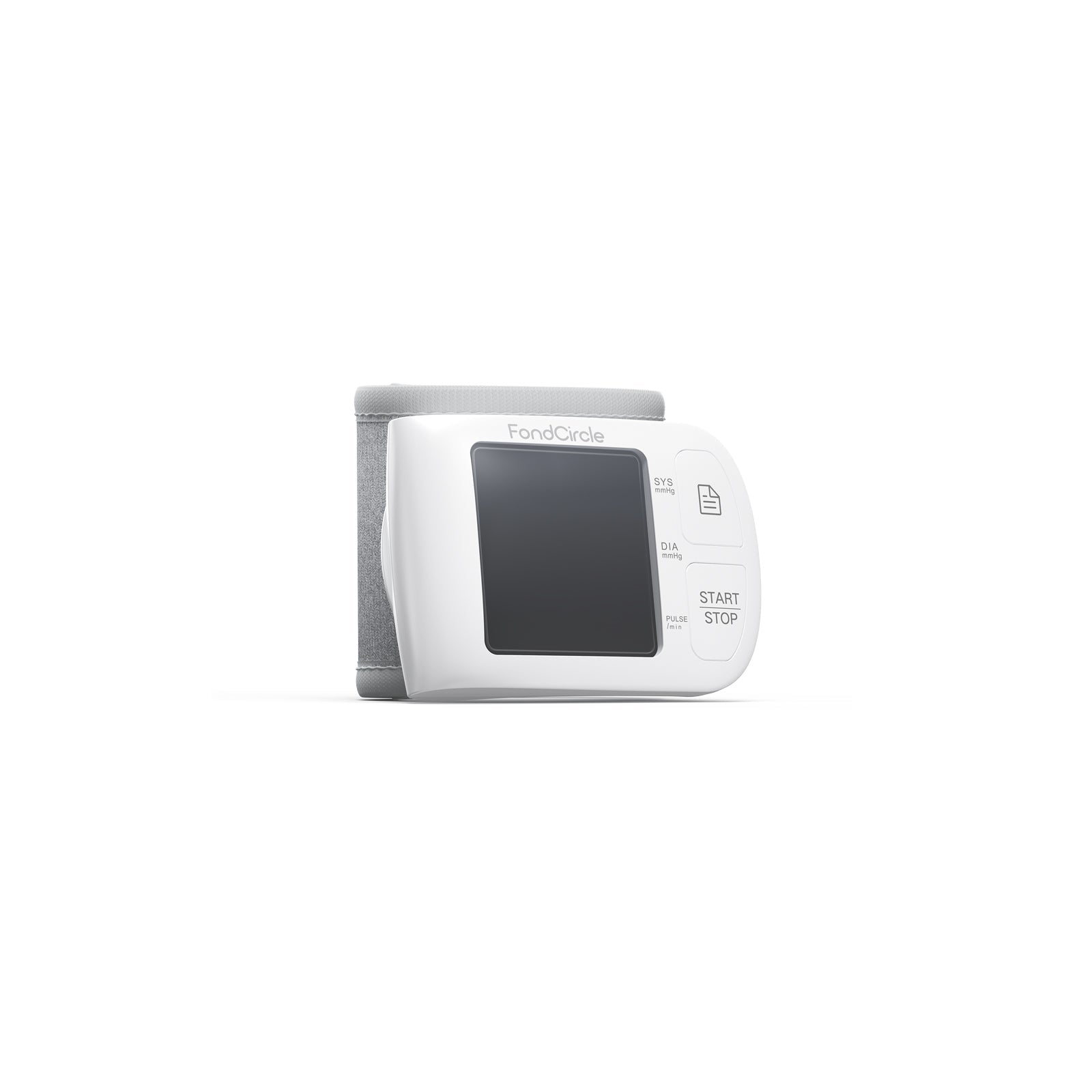
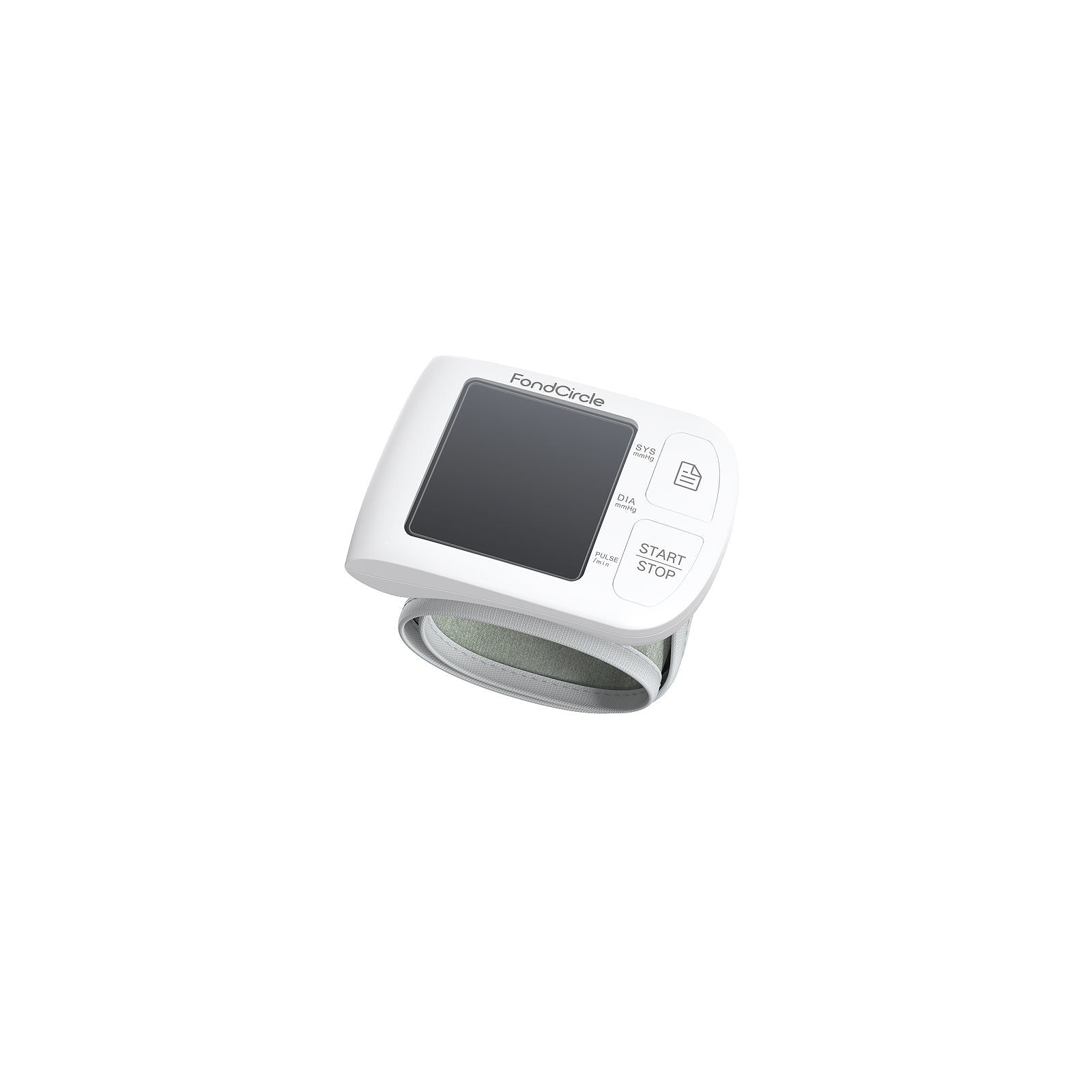
FBP-W1 Wrist BP Monitor
$45.99
Add to cart
|
|---|---|---|---|---|---|
| Key difference | TripleCheck averaging + guest mode | XL cuff + TripleCheck averaging | Pregnancy-validated; upper-arm option for users with diabetes | Stable, affordable everyday essential | Lightweight, convenient and travel-ready; careful wrist positioning required |
| Type | Upper arm | Upper arm, extended cuff | Upper arm | Upper arm | Wrist |
| Measurement | Measures during inflation | Measures during inflation | Measures during inflation | Measures during inflation | Measures during inflation |
| Bluetooth | ✓ | ✓ | ✓ | ✓ | ✓ |
| Irregular heartbeat indicator | ✓ | ✓ | ✓ | ✓ | ✓ |
| Reading memory | 199 readings × 2 users + guest | 199 readings × 2 users + guest | 250 readings × 2 users + guest | 99 readings × 2 users | 199 readings × 2 users + guest |
| TripleCheck averaging | ✓ | ✓ | — | — | — |
| Best for | Repeat upper-arm readings | Larger upper arms | Large display and voice guidance | Simple everyday monitoring | Travel and compact storage |
| Cuff range | 22–45 cm / 8.7–17.7 in | 40–52 cm / 15.7–20.5 in | 22–45 cm / 8.7–17.7 in | 22–42 cm / 8.7–16.5 in | 13.5–21.5 cm / 5.3–8.5 in |
| Display size | 60.5 × 92.5 mm | 60.5 × 92.5 mm | 124 × 76 mm | 68 × 53 mm | 43 × 46 mm |
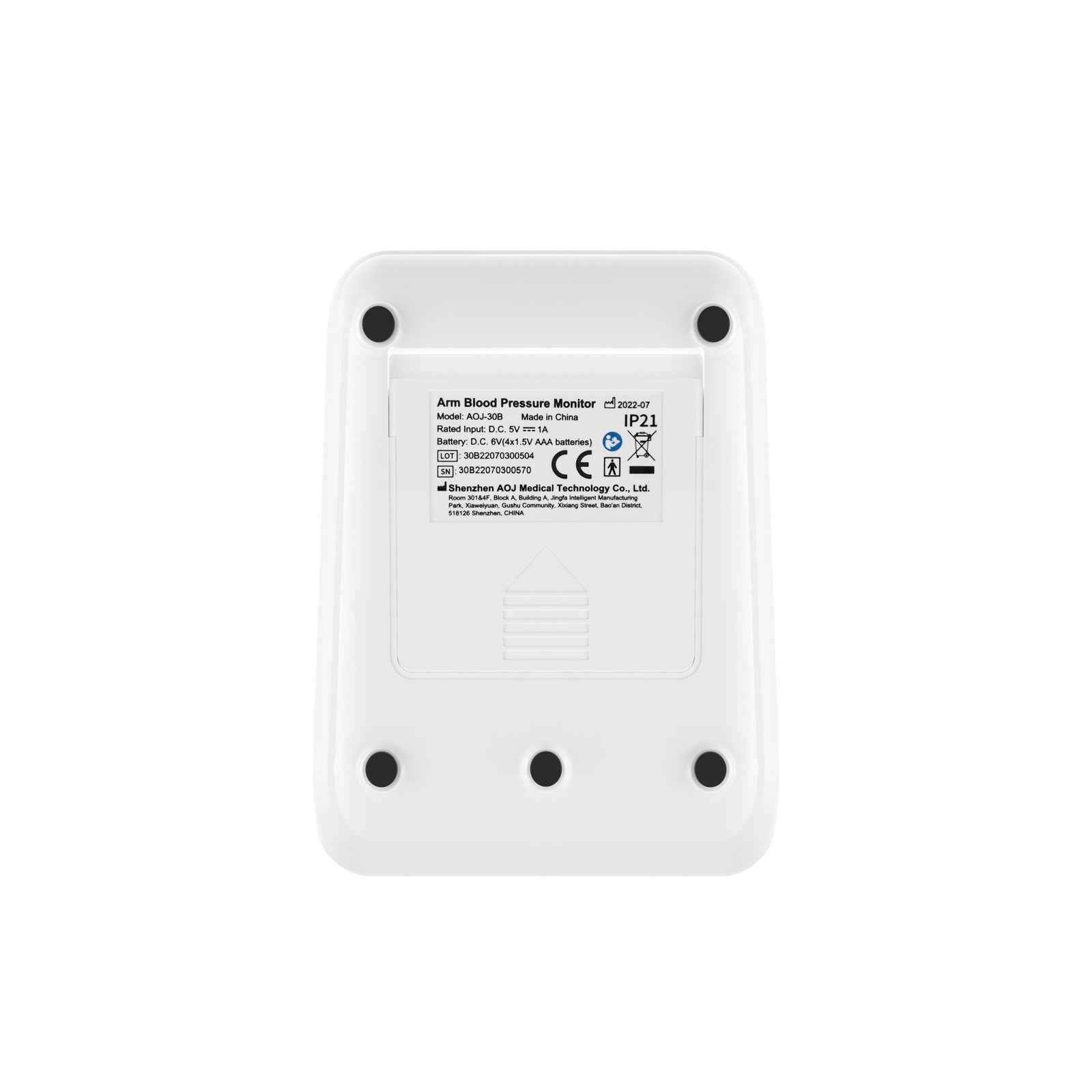
| Power | 4 × AAA or Type-C | 4 × AAA or Type-C | 4 × AA or Type-C | 4 × AAA or Type-C | 2 × AAA |
| In the box | Cuff, batteries, manual, quick guide | XL cuff, batteries, manual, quick guide | Cuff, batteries, Type-C cable, manual, quick guide | Cuff, batteries, storage pouch, manual, quick guide | Batteries, manual, quick guide |
| FondCircle app | ✓ | ✓ | ✓ | ✓ | ✓ |

A practical home monitoring guide
Choose Well. Measure with Confidence.
The right monitor starts with cuff fit and a routine you can follow consistently. Use this guide to narrow your choice and get more reliable readings at home.
How to choose
Start with these three decisions
Get the cuff fit right
Measure around your upper arm or wrist where the cuff will sit. Choose a cuff range that includes your measurement without stretching beyond its limit.
Fit before featuresChoose upper arm or wrist
An automatic upper-arm monitor is the practical default for most home routines. A wrist model is compact for travel, but careful heart-level positioning matters more.
Routine mattersMatch features to the user
Consider display size, voice guidance, separate user memory, averaging, app sync and portability. Prioritize the features that make consistent use easier.
Keep it usableHow to measure
A repeatable home routine
Small setup differences can change a reading. Follow the same steps, in the same position, each time.
-
1
Prepare for 30 minutes
Avoid smoking, caffeine, alcohol and exercise. Empty your bladder before you sit down.
-
2
Rest for 5 minutes
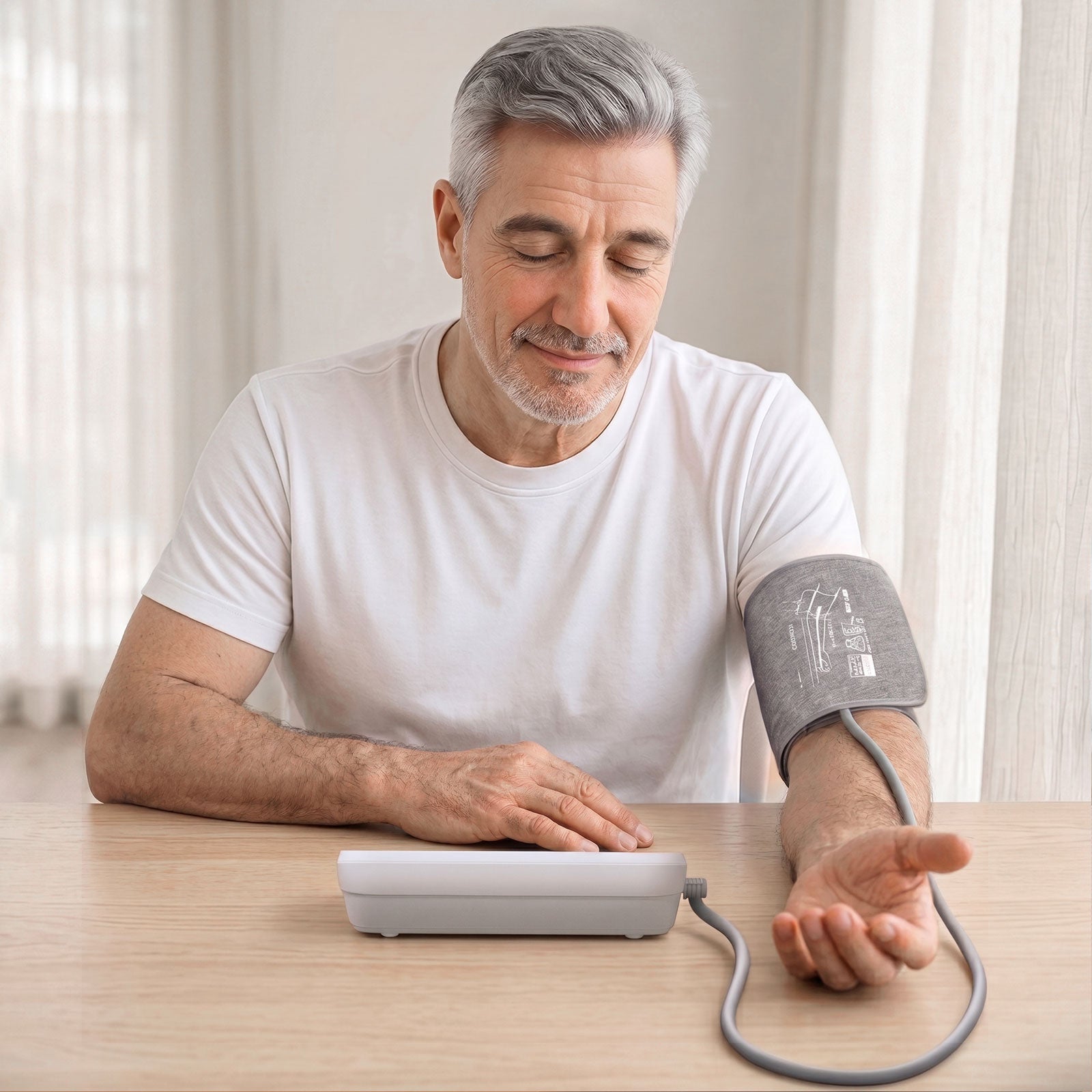
Sit quietly with your back supported, feet flat on the floor and legs uncrossed.
-
3
Fit the cuff on bare skin
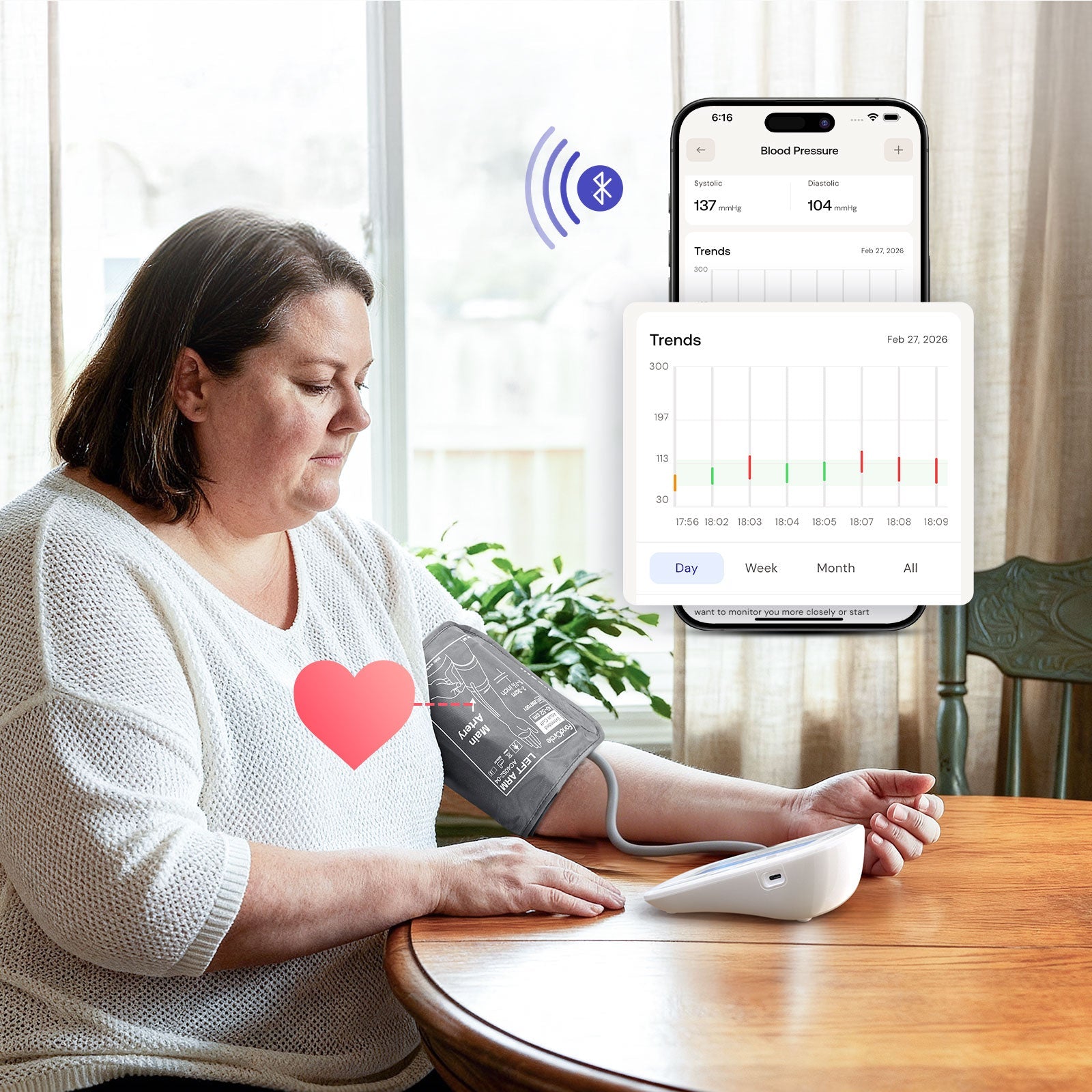
Place the correct-size cuff snugly as shown in your monitor’s instruction manual.
-
4
Support at heart level
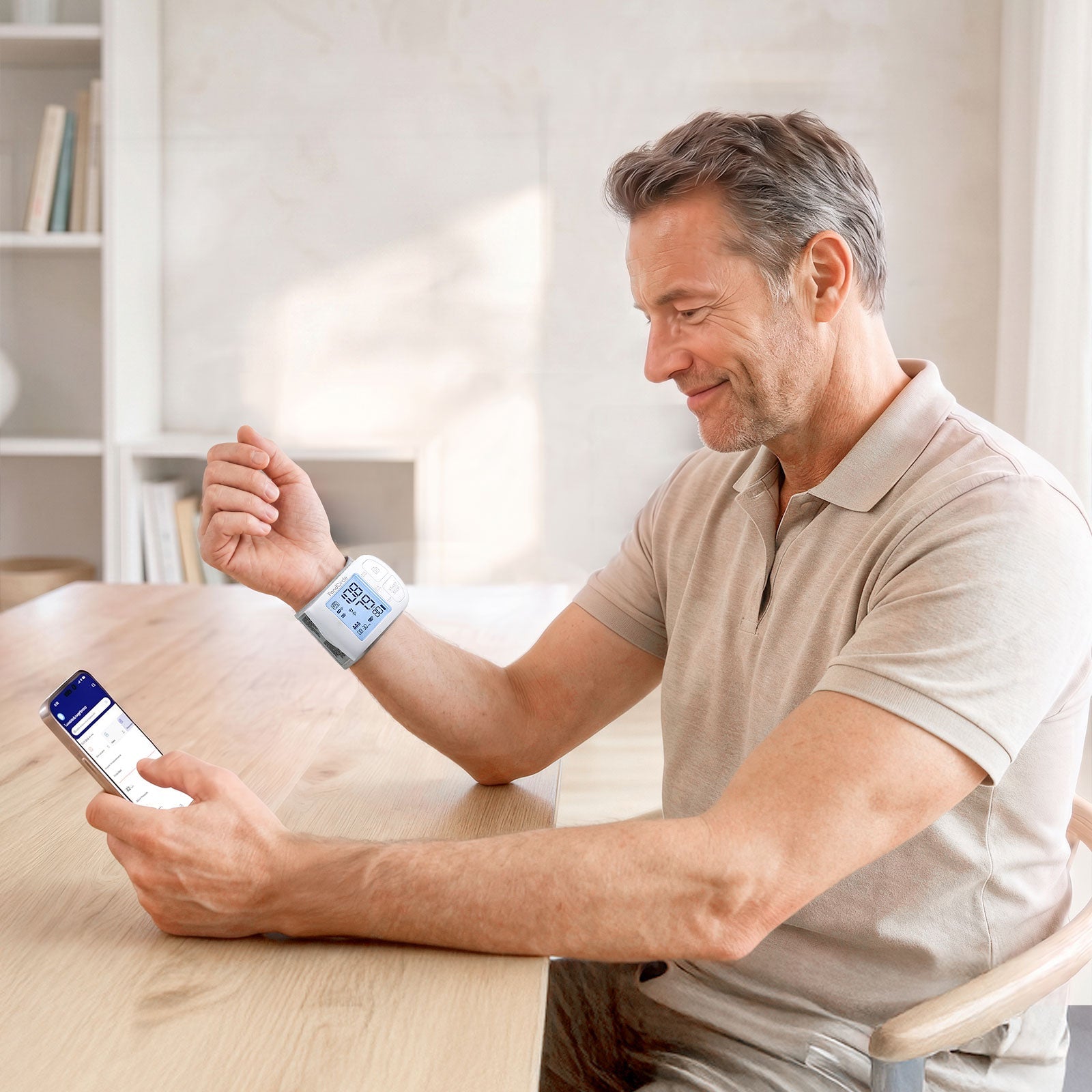
Rest your arm on a table. For a wrist monitor, raise and support the wrist at heart level.
-
5
Stay still and quiet
Do not talk, move or use your phone while the monitor is taking the reading.
-
6
Repeat and record
Take two readings one minute apart and record both, unless your healthcare professional advises otherwise.
Questions, answered
Blood Pressure Monitor FAQs
Clear answers for choosing a monitor and building a consistent home routine.
Should I choose an upper-arm or wrist monitor?
For most home routines, choose an automatic upper-arm monitor with a cuff that fits your arm. A wrist monitor can be useful when portability is the priority, but it must be held at heart level and used exactly as directed.
How do I choose the right cuff size?
Measure around the arm where the cuff will sit, then choose a model whose stated cuff range includes that measurement. A cuff that is too small or too large can affect the reading.
Why do my readings change from one measurement to the next?
Blood pressure changes throughout the day, and posture, talking, recent activity, caffeine, stress and cuff placement can affect a reading. Rest, repeat the same setup and compare a series of readings rather than relying on one result.
How many readings should I take?
Unless your healthcare professional gives different instructions, take two readings one minute apart and record both. Try to measure at consistent times and use the same arm and position.
Do I need the FondCircle app to use the monitor?
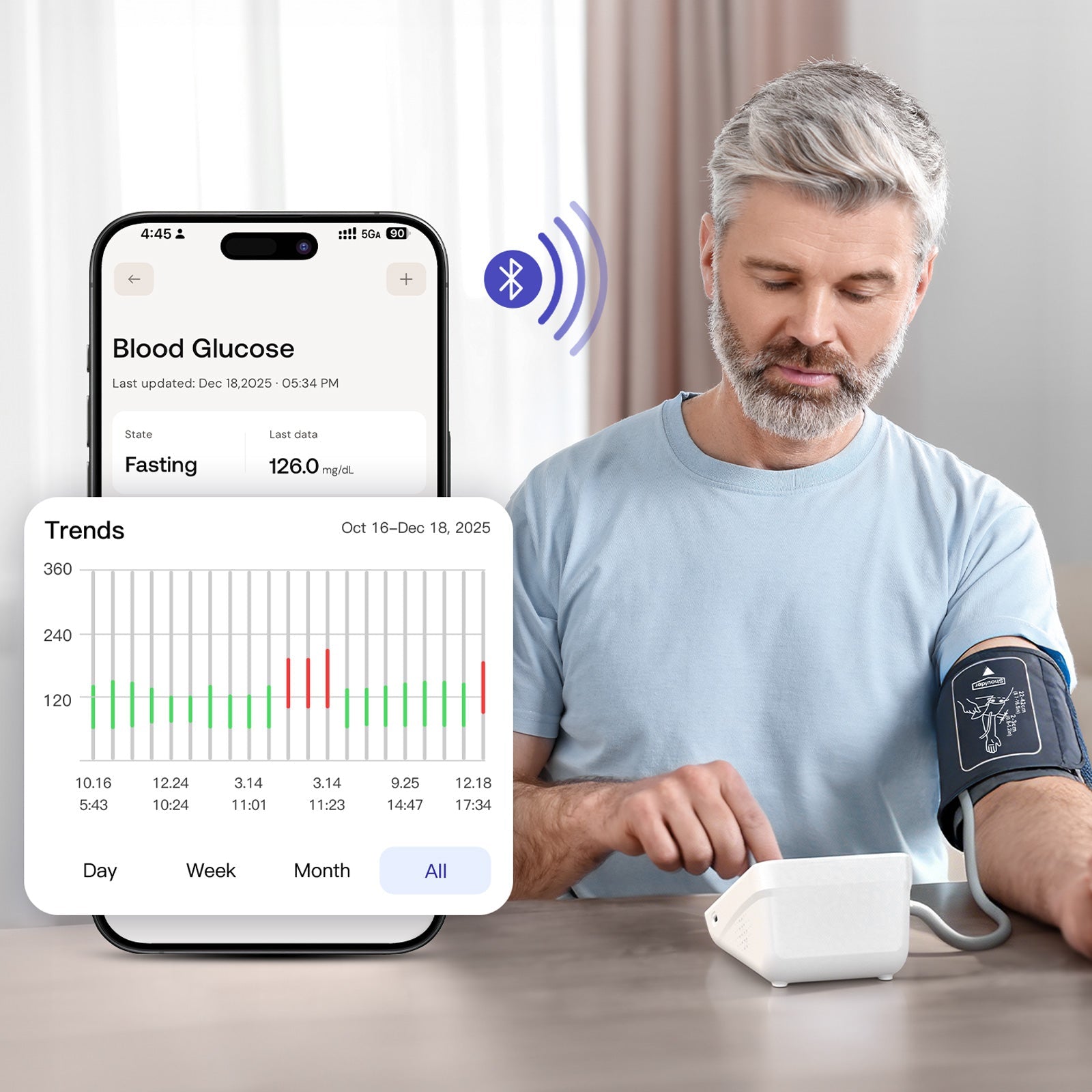
No. Compatible FondCircle monitors can take readings without the app. The app is an optional way to sync and review trends; follow the product page and manual for the features available on your model.
What does the irregular heartbeat indicator mean?
The irregular heartbeat indicator means the monitor detected an irregular pulse pattern during that reading. It is not a diagnosis. Repeat the measurement as directed, and speak with a healthcare professional if the indicator appears often or you have concerns.
Can two people use the same monitor?
Yes, when the model provides separate user profiles. Select the correct user before measuring so saved readings are not mixed; guest mode can be useful for an occasional additional user. Check the comparison table for each model’s memory setup.
What should I do if a reading seems unusual?
Check the cuff fit and position, rest quietly, then repeat the measurement according to the manual. Do not change medication based only on a home reading. If the result remains concerning or you have symptoms, contact a healthcare professional or emergency services as appropriate.