


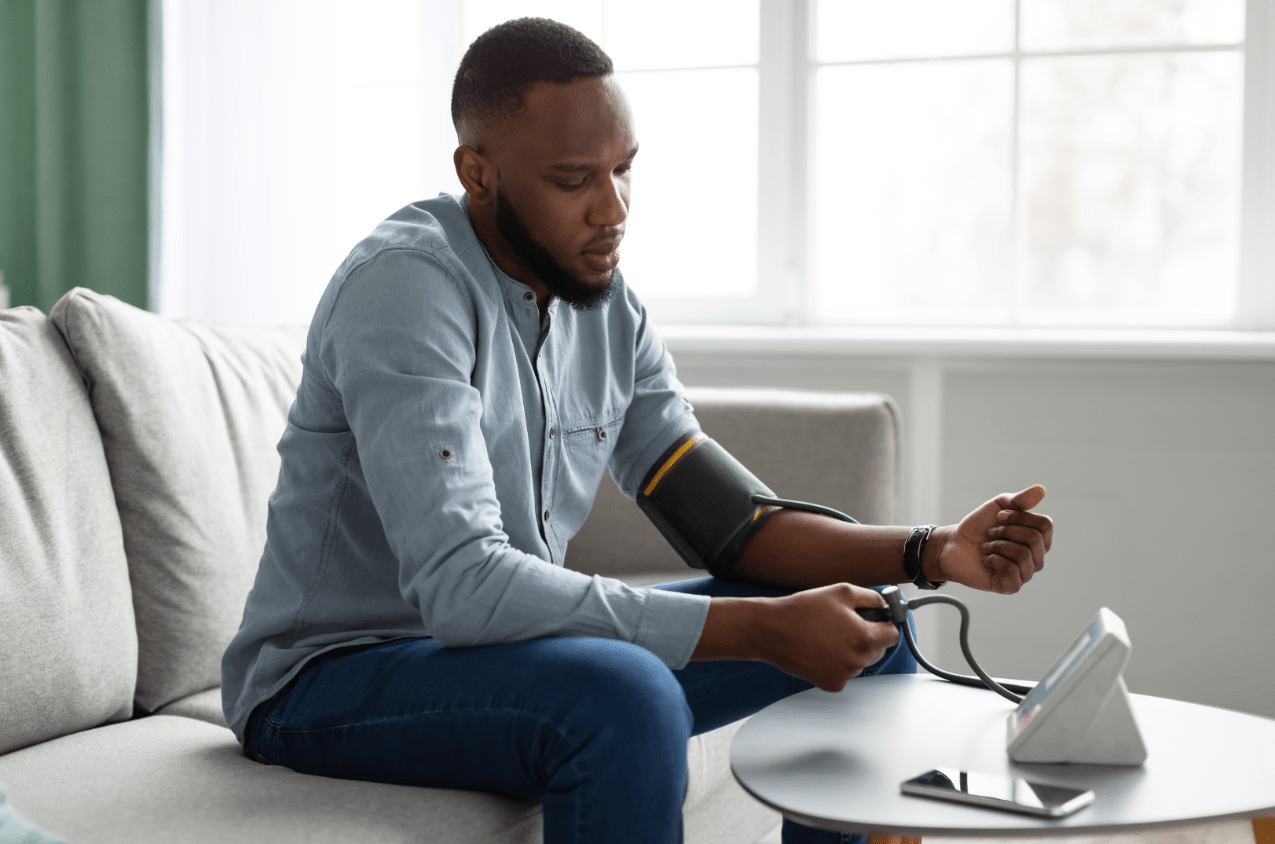
Blood pressure is one of the most important indicators of heart health, yet it’s often overlooked until problems arise. The truth is, our daily habits—from what we eat to how we handle stress—play a huge role in determining whether our blood pressure stays within a healthy range.
The good news? You can take meaningful steps to manage or even lower your blood pressure naturally through lifestyle changes. In this post, we’ll explore how your daily routines impact your numbers and answer some of the most common questions about managing blood pressure at home—especially with the help of smart monitoring devices like the FondCircle Smart Blood Pressure Monitor with 5.5-inch Screen.
What are the main causes of high blood pressure?
High blood pressure (hypertension) develops from a mix of genetic, environmental, and lifestyle factors. Some of the most common causes include:
-
Poor diet: Too much salt, processed foods, and not enough potassium.
-
Lack of physical activity: A sedentary lifestyle weakens the heart and blood vessels.
-
Obesity: Excess body weight increases strain on the circulatory system.
-
Stress: Chronic stress can temporarily raise blood pressure and contribute to long-term issues.
-
Smoking and alcohol: Both damage the arteries and elevate blood pressure over time.
-
Age and genetics: Family history and aging naturally increase risk.
Can lifestyle changes really lower blood pressure naturally?
Absolutely. Healthy lifestyle changes can significantly lower blood pressure—sometimes enough to reduce or even eliminate the need for medication (with your doctor’s guidance). Here’s what works:
-
Regular exercise: Aim for at least 30 minutes of brisk activity most days.
-
Healthier diet: Emphasize whole foods, fruits, vegetables, and lean proteins.
-
Reduce salt intake: Limit sodium to under 2,300 mg per day (ideally 1,500 mg).
-
Manage stress: Deep breathing, meditation, and adequate sleep help maintain healthy blood pressure.
-
Monitor regularly: Use a smart device like the FondCircle Smart Blood Pressure Monitor + FondCircle App to track progress and stay consistent.
How long does it take to see results from lifestyle changes?
Most people begin to notice measurable improvements within a few weeks to three months, depending on consistency and the type of changes made. The key is consistency—healthy habits compound over time, and tracking your readings helps you stay motivated.
-
Dietary adjustments can lower readings in 2–4 weeks.
-
Exercise and weight loss may take 1–2 months.
-
Stress management can help almost immediately.
What foods should I eat to help lower blood pressure?
Food is one of your most powerful tools for controlling blood pressure. Try following the DASH diet (Dietary Approaches to Stop Hypertension)—a proven eating plan specifically designed to lower blood pressure. Focus on:
-
Fruits and vegetables: Rich in potassium and fiber (bananas, spinach, berries).
-
Whole grains: Oats, quinoa, and brown rice for heart health.
-
Lean proteins: Fish, beans, lentils, and skinless poultry.
-
Healthy fats: Avocados, olive oil, nuts, and seeds.
-
Low-fat dairy: Yogurt and milk for calcium support.
Which habits make blood pressure worse over time?
Some everyday habits can gradually increase your blood pressure without you even realizing it:
-
High-sodium diets (processed or fast foods).
-
Too much caffeine or alcohol.
-
Smoking and vaping.
-
Chronic stress and lack of sleep.
-
Skipping exercise or sitting too long.
-
Ignoring home monitoring.
Are smart blood pressure machines accurate for home use?
Yes. Modern smart monitors—like the FondCircle Smart Blood Pressure Monitor with 5.5-inch Screen—are clinically tested and accurate when used correctly. To ensure reliability:
-
Sit calmly for 5 minutes before measuring.
-
Keep your arm at heart level.
-
Use the correct cuff size.
-
Take readings at the same time each day.
How often should you check your blood pressure at home?
Take readings at consistent times, and record them for accuracy. Devices like the FondCircle Smart Blood Pressure Monitor with 5.5-inch Screen syncs automatically with the FondCircle App, so you can track your progress with ease. The frequency depends on your health situation:
-
New to monitoring: Twice a day for the first week (morning and evening).
-
Stable readings: 1–2 times per week.
-
Adjusting medication or managing hypertension: Once daily or as your doctor advises.
Conclusion
Your lifestyle habits have a direct impact on your blood pressure—and your long-term heart health. By making mindful choices in what you eat, how you move, and how you manage stress, you can naturally reduce your risk of hypertension and its complications.
Paired with smart technology like the FondCircle Smart Blood Pressure Monitor with 5.5-inch Screen, staying on top of your numbers has never been easier. Consistency, awareness, and small daily changes can lead to powerful results.
Take charge of your heart health—one reading, one habit, one day at a time.
Share:
Setting and Tracking 2026 Health Goals with Telehealth Support
How to Monitor and Manage Blood Pressure at Home